MICROCLONE PF1036 Plant Tissue Culture Tube Planttc Kit STARTER36 Tissueponics 215 420
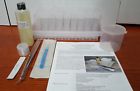
( Brand: Microclone ), ( Manufacturer Part Number: PF1036 ), ( Model: STARTER36 ), ( Part Type: Tube Kit ), ( Bundle Listing: Yes ), ( Country/region Of Manufacture: United States )
Review MICROCLONE Plant Tissue Culture 36 Tube Kit Liquid Planttc Tissueponics 215 420
Starter36 Plant Tissue Culture 36 Tube Kit A Comprehensive Microcloning Solution for Plant Propagation
Embark on a fascinating journey of plant propagation with the Starter36 Plant Tissue Culture 36 Tube Kit. This innovative product, designated as PlantTC TissuePonics Microclone 215 420 Pf1036, is a professional-grade kit designed to facilitate the efficient and precise microcloning of plant tissue, opening up a world of possibilities for horticulturists, botanists, and garden enthusiasts alike.
The Starter36 kit comprises 36 individual tubes, each designed to accommodate a single plant tissue sample. This allows for the simultaneous propagation of multiple plant varieties, enabling you to rapidly multiply and archive your prized plants or experiment with a diverse array of species.
The tubes themselves are made from high-quality, sterilized plastic, ensuring a secure and sterile environment for your plant tissue samples. Each tube is equipped with an integrated filter cap, which not only prevents contamination but also regulates airflow and gas exchange to maintain optimal conditions for the growing tissue.
Included in the kit is a comprehensive set of instructions, detailing each step of the plant tissue culture process. From medium preparation to sterilization techniques and subculturing procedures, this guide ensures that even novice users can achieve successful plant propagation.
Moreover, the Starter36 kit is designed to be compatible with a wide range of plant tissue culture media, allowing you to customize your growing conditions according to the specific needs of your samples. The kit is also compatible with various supplements and growth regulators, providing you with the flexibility to optimize your plant tissue culture process for maximum success.
In summary, the Starter36 Plant Tissue Culture 36 Tube Kit is an essential tool for anyone interested in plant propagation. Whether you're a seasoned horticulturist or a curious gardener, this kit offers a user-friendly, efficient, and cost-effective means of microcloning your plant tissue, opening up a world of possibilities for your horticultural endeavors. Embrace the future of plant propagation with the Starter36 Plant Tissue Culture 36 Tube Kit.
Starter36 Plant Tissue Culture Kit Analysis
Pros:1. Comprehensive Kit: The Starter36 Plant Tissue Culture Kit comes with 36 tubes, providing a good starting point for beginner and experienced tissue culturists alike.
2. Versatile: This kit can be used for various plant species, making it a versatile tool for propagating a wide range of plants.
3. Includes necessary accessories: The kit includes essential items such as medium, growth regulators, and agar, reducing the need for additional purchases.
4. Supports Microcloning: The kit is designed for microcloning, allowing for rapid multiplication of plants, which can be beneficial for large-scale plant propagation.
Cons:1. Limited Instructions: The kit may not include comprehensive instructions for beginners, which could lead to errors during the tissue culture process.
2. Quality of Media: Some users have reported inconsistencies in the quality of the media provided with the kit, which could affect the success of the tissue culture process.
3. Expensive for Beginners: The cost of the kit may be a deterrent for some beginners, as it represents a significant investment without the guarantee of success.
Conclusion:The Starter36 Plant Tissue Culture Kit offers a convenient and versatile solution for tissue culture propagation. However, its suitability depends on the user's experience level and willingness to invest in the process. For beginners, it would be beneficial to supplement the kit with additional resources for guidance on the tissue culture process. For experienced users, the kit's compatibility with a variety of plant species and included accessories make it a cost-effective choice for large-scale plant propagation.
Recommendation:I recommend this kit to experienced tissue culturists or those with a solid understanding of the process. For beginners, I suggest investing in a more comprehensive guide or course, such as the Michigan State University's Plant Tissue Culture Guide, to ensure a successful start in the world of plant tissue culture. Additionally, consider starting with a smaller kit to test the waters before investing in the Starter36.
Details:
Point the upper end of node to right side plate, put scalpel back in sanitizer, and pass forceps your working hand. Maintain temperature in mid-70s and around 50 humidity. Evaluate the tubes for contamination that may appear as cloudiness, growth in liquid surface, or odd coloration. Keep them in the clean environment and take tall dominant cuttings as they develop smaller apical to introduce into fresh tissue culture tubes.
Plants grown in media tubes without contamination are free of disease organisms, both systemic and surface, possess all the advantages tissue culture. The plants have directly absorbed balanced nutrients and hormones, creating sturdy bushy starts activating genes that may been dormant. A clean kitchen, bathroom or grow tent are good locations. My favorite simple hood is a storage container set on its side in clean, draft-free location.
Trimming and planting dip tools in sanitizer spill some into the plate to create a small puddle trim cutting. Select clean, healthy vegetative branch tips. The secret to plant tissue culture is growing plants in sugar. Small tissue culture labs have been propagating hundreds of species from easy to find materials for decades.
I like to give the secondary branches a chance add efficient candelabra shape at same time as getting extra apical clones with all of advantages tissue culture that it was just derived from. Bill graham is the owner of Microclone plant tissue culture and pure food gardening.
The system creates a bottleneck through which plant disease is eliminated and original genetic behavior encouraged. Optionally, wrap the neck of tubes with tape, where lid meets tube, plastic as an extra layer protection. Hold forceps as far back you can and try to work with your hands low possible without reaching over the plate. Some bleach will get on your hands, cleaning them at the same time.
Plants should take a few weeks to grow three or more times their original size and develop leaves in Vito tubes. It is OK to pre-loosen the lid with two hands before working live plants.
Growth can be slowed or increased with temperature and light levels. The strategy is to add hormone second as a drop where it will coat inside of hole and gravity keep in contact with rough stem exposed cambium cut at bottom. Add about an inch to each of the tubes, cap, and invert disinfect. Inspect and clean all apparently cuttings by emptying into a colander in the sink rinsing gently to remove any sugar solution.
After two weeks, remove and plant as cuttings. Stage 1 introduction clones may be removed from the tubes, rinsed and planted in plug trays a high humidity environment, creating your new stock. Using a washing jar put the pieces into. Start two-inch pieces in multiplication media without agar, then move directly into rooting plugs after two to three weeks.
All valuable cloned plants should be cultured regularly to stay clean and vigorous. A proper vessel will keep the plants small and disease-free, saving time, light money. Grow the cultures under a small fluorescent fixture like t5 or led in clean area at about four to six watts per square foot. Root your tube-grown clones in a high humidity chamber with thermostat-controlled bottom heat and gentle air circulation.
Add a drop of simple detergent and stir to dissolve oils begin killing mold bacteria. Usually one to three such clones can be taken from each rooted tube plants in 18-site propagation tray.
Trim away the bleached ends of leaf stems, or petioles, about continue until each tube contains one cutting. Wipe off plate and drain sanitizer puddle after every few cuttings, when the debris can get in way.
The washed pieces are then trimmed to remove bleached ends and placed in tubes grow. Remove yellow leaves and use a sharp blade to make 45 cut across bottom of cutting. The objective is to clean plants and vessel before going hood. Swirl and mix over 45 min.
It may be necessary to spool out some of the wrap before using on jar. Maintain a high humidity inside and outside of perforated dome an 80-degree bottom heat. The filter will capture items released into air when cleaning.
How to get started dissolve the sanitizer in washing jar, 1 gram per liter for Chloe. Small plants, rooted cuttings, clone donors and veg plants are best maintained in efficient rack systems for immediate distribution at the cultivators convenience. Remove spoiled tubes and clean elsewhere.
Drain the soapy water and add sanitizer from culture tubes swirl every 10 minutes. Take clippings from these veg plants to create new tissue culture starts. Shake off residual sanitizer drops.
Set up a heap filter between the door and work area start running.
Using a sterile technique begins with the setup of clean handling and plant growing room smooth cleanable surfaces heap air filtration, alcohol sprays dips for hands instruments that will touch plants, surface decontamination plants going into culture. One good technique is to keep plug trays in mesh bottom 10 by 20 prop and reload the holes with 1 a drop of diversified root-inhabiting organism penetrate cube colonize roots when they develop, 2 root hormone gel. Run some tap water into the jar and shake gently to wash off any loose material.
This node is often the most aggressive as it near sugar medium and oxygen to metabolize. Trim cut ends and nodes below one inch put them in the tubes. Keep tools at least 3 or 4 inches inside of hood. Open the tube and lid with one hand protecting opening.
I ve had success taking shoots at six to eight inches, leaving a single node behind, as new cuttings by planting directly into fresh rooting plugs. Just do not take anything out of the hood when working with open tubes and lean in over them protects plants from mold spores that may be floating air. The rooted clones from tissue culture are different regular primarily because of density shoots at top tiny cutting.
Trim into 3-inch pieces and remove leaves, leaving of leaf stem above the node. The first aggressive branches and veg clippings become source of new cuttings. Tube clones are ready to root when leaves have appeared inside the and stem in solution has gotten wider.
Assemble the grow lights and wipe down room, rack, hood with sanitizer. Leave one inch or more below lowest node to be trimmed so that will located above where the media surface meets air. The thin neglected branch tips thrive in rich nutrient solution and triple size or more.
Take one cutting out of the jar with forceps and prepare to trim it again. Preparing plant cuttings trimming the eliminates extra foliage and removes parts exposed to mold spores at same time they are made into small cleanable pieces. Use non-flowering lower growth from pruned veg plants to preserve flowering tops. Do not damage the bud inside node, growing point that will develop into your new plant, unless it fall beneath or just above media level, in which case remove as be deformed by direct contact with hormone.
Light and grow the tubes in same area as clean hood to take advantage of air. The widened stem of tube cuttings should appear rough as a result natural rooting hormone in cutting conflicting with branching growth solution. Sanitize the plate and set in of hood, toward back at arms reach.
The tiny cuttings absorb sugar, nutrients and vitamins directly through their surface grow in a self-contained environment while hormones media encourage branching keep new nodes tight. Replace forceps in sanitizer and close lid onto tube, if you are using screw tops turn back about from tightened.
part #: pf1036 prices
- $64.89-$252.95
specifications yargardeoutdoo:
- brand: Microclone
- mpn: Pf1036
- model: Starter36
- part type: Tube Kit
- bundle listing: Yes
- country/region of manufacture: United States
General yargardeoutdoo:
- homegarden > yard gardenoutdoor living > other yard gardenoutdoor yard garden outdoor living
- condition: New
- in stock: Yes
Shipping yargardeoutdoo:
- type: Calculated
- handling: 1 days
Offer yargardeoutdoo:
- bids: 0
- Sold: 0
- best offer: true
- Started: December 20, 2017, 4:45 pm
- quantity: 20
Ratings:
- Great deal 12-19-17
- good product 12-18-17
- Great seller, great merchandise, great price, fast delivery. thanks! 12-20-17
- Hope to deal with you again. Thank you. 12-18-17
- Excellent buyer! We appreciate your business. 12-17-17
Seller yargardeoutdoo:
- city: Belmont, California
- zipcode: 94002
Returns yargardeoutdoo:
- type: Money back or replacement buyers choice
- time: 14 Days
- paid by: Buyer
- policy: returns accepted
Payments yargardeoutdoo:
- PayPal
Microclone PF1036 Is Similar To:
- Pf1108 Microclone Plant Tissue Culture (94.7% similar) The objective is to clean plants and vessel before going hood. It may be necessary to spool out some of the wrap before using on jar. Add a drop of simple detergent and stir to dissolve oils begin killing mold bacteria. Keep tools at least 3 or 4 inches inside of hood. Remove spoiled tubes and clean...(December 21st, 2017)
- Starter648 Microclone Plant Tissue Culture (82.5% similar) Inspect and clean all apparently cuttings by emptying into a colander in the sink rinsing gently to remove any sugar solution. Trim into 3-INCH pieces and remove leaves, leaving of leaf stem above the node. Leave one inch or more below lowest node to be trimmed so that will located above where the ...(December 21st, 2017)